What is Bioethics Peer Review?

Bioethics Peer Review (BPR) is a formal evaluative process for improving acute healthcare, outpatient clinics, long-term care, and nursing home design. It is modeled on clinical ethics consultation procedurally, powered by multidimensional empirical evidence, and adapted for use in the planning, design, and development of healthcare environments.

Healthcare buildings function as healthcare interventions. Decisions about layout, circulation, visibility, materials, lighting, sound, and spatial relationships can mitigate or exacerbate risks such as falls, delirium, behavioral symptoms of dementia, infection, and staff burnout. Yet unlike clinical interventions, design decisions rarely benefit from systematic empirical, ethical, and clinical review.

BPR was developed to address this gap.
The problem BPR addresses

Advances in evidence-based design have demonstrated clear relationships between the built environment and health outcomes for older adults. However, incorporation of this evidence into long-term care design has lagged due to structural barriers in implementation. Medical sciences benefit from a research funding infrastructure that has no parallel in architecture or construction.

As a result, design decisions are often governed by regulatory minimums, cost constraints, and operational convenience rather than by an evidence-based, holistic understanding of resident wellbeing, safety, and what matters most to older adults.

Once built, these decisions persist for decades.

BPR introduces a mechanism for structured empirical, ethical, and clinical scrutiny at a point when meaningful change is still possible.

BPR adopts the structure of clinical ethics consultation and applies it to long-term care design. Like ethics consultation, it is:

  • Multidisciplinary

  • Case-specific

  • Values-focused

  • Advisory rather than prescriptive

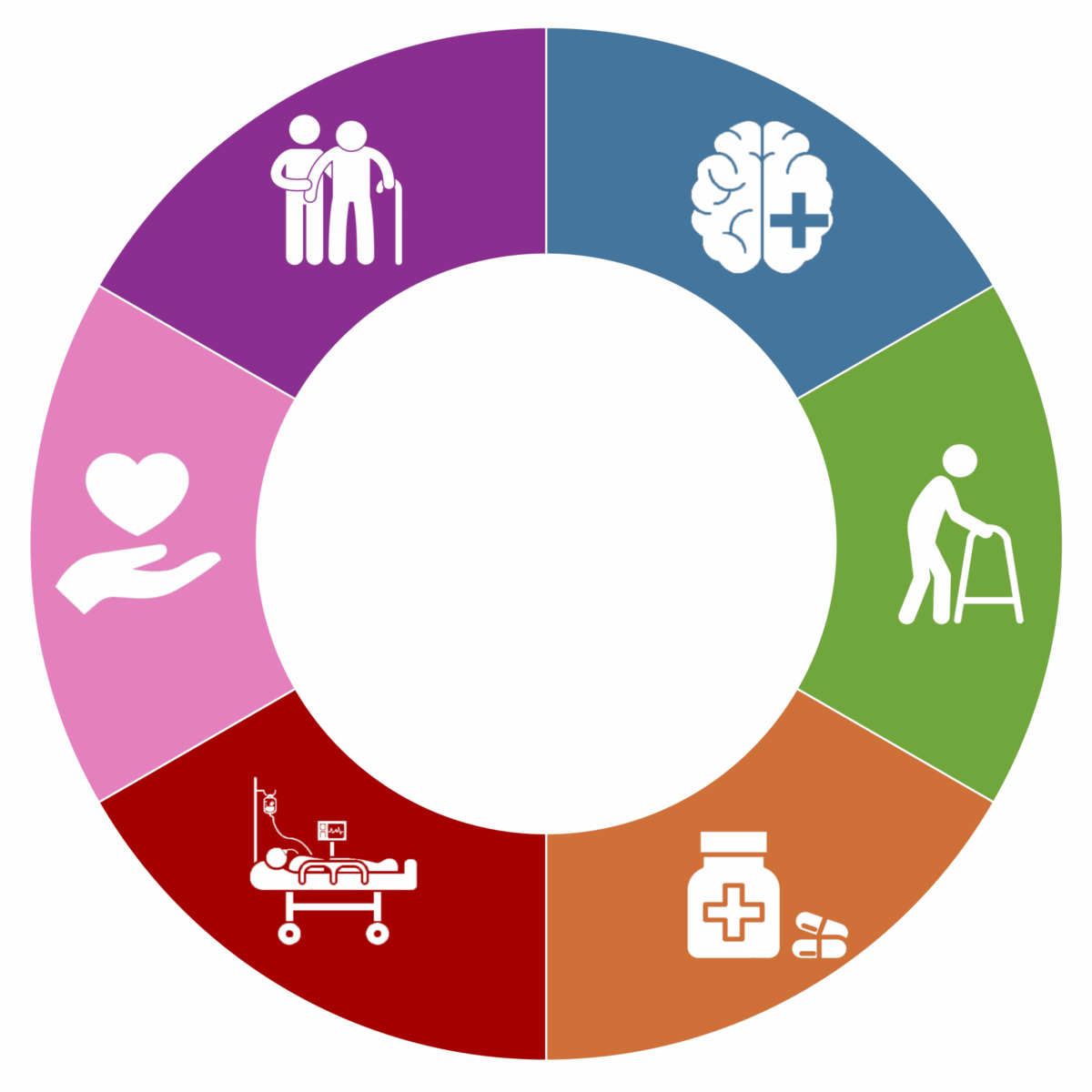
The process is explicitly aligned with an adapted geriatric framework: 5M+1.

The 5M+1 framework for geriatric design

BPR evaluates design proposals using six domains:

BPR 5M+1 Process Elements
  • Mind – cognition, delirium risk, dementia, sensory processing

  • Mobility – ambulation, fall risk, wayfinding, independence

  • Medications – medication safety, storage, administration workflows

  • Multi-complexity – comorbidities, acuity, care transitions

  • Matters Most – dignity, autonomy, identity, meaningful life

  • Multi-Stakeholder – family, staff, administrators, community

Each domain can be positively or negatively affected by the built environment. BPR uses empirical evidence and ethical analysis to surface these relationships and the value tensions they create.

(35717 reads, 19 reads today)